


Overview
Children’s foot problems are a common concern for many parents, especially as little feet grow and develop rapidly during early years. Proper foot health in kids is essential not only for comfort but also for their overall physical development. Since children are active and on their feet most of the day, ensuring they wear supportive kids shoes that fit well can prevent many common issues and promote healthy foot growth.
Foot problems in children can range from minor irritations to more serious structural concerns. Early detection and prevention are key to avoiding long-term complications. This overview aims to shed light on typical children’s foot issues, how shoes impact foot health, and practical advice on selecting the right footwear to encourage proper shoe fit and comfort.
By understanding the connection between footwear and foot health, parents can make informed choices that support their child's mobility and confidence. This guide also emphasizes preventative foot care tips to maintain healthy feet from infancy through childhood.
Typical Children’s Foot Issues
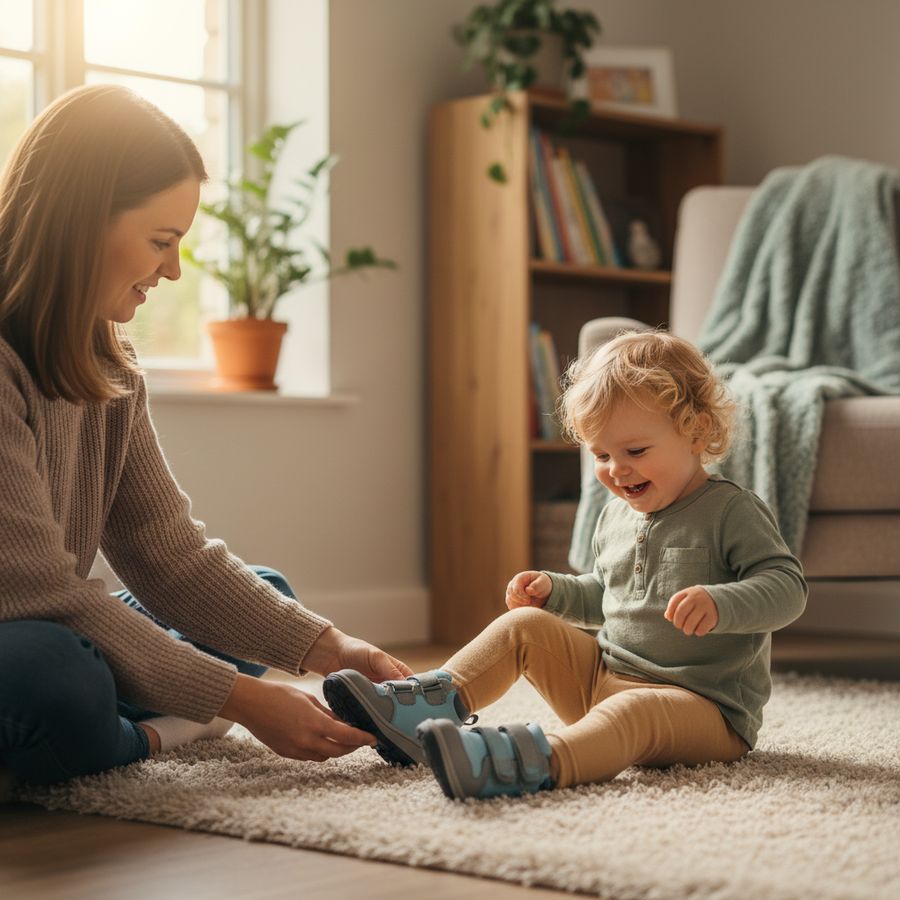
Children’s feet are unique and undergo significant changes as they grow, which can sometimes lead to common foot problems. Understanding these typical issues can help parents recognize early symptoms and seek appropriate intervention.
One of the most frequently observed conditions is flat feet, where the arch of the foot is less pronounced or absent. While flat feet are normal in infants and toddlers, persistent flat feet beyond early childhood may require attention to avoid discomfort or posture problems.
Other typical foot issues include:
In-toeing (pigeon toes) – where the feet turn inward while walking.
Out-toeing – feet point outward, which can affect gait.
Heel pain and Sever’s disease – inflammation of the growth plate in the heel, common in active children.
Bunions and toe deformities – sometimes linked to tight or improper footwear.
Ingrown toenails and blisters – often caused by shoes that do not fit properly.
“Early recognition and treatment of children’s foot problems can prevent future pain and mobility issues.”
Overall, many of these issues are manageable with proper care and the right footwear, highlighting the importance of kids shoe advice focused on comfort and support.
How Shoes Affect Foot Health
The impact of footwear on foot health in kids cannot be overstated. Shoes that lack proper support or are ill-fitting can exacerbate or even cause foot problems in children. Conversely, well-designed, supportive shoes encourage healthy foot development and provide stability.
Children’s feet need shoes that offer:
Arch support to help maintain natural foot alignment.
Shock absorption to reduce impact on growing bones and joints.
Breathability to keep feet dry and prevent skin issues.
Flexible soles that allow natural movement but provide enough rigidity for protection.
Proper toe space to prevent deformities and discomfort.
Wearing shoes that are too tight, too loose, or lack structure can lead to problems such as blisters, calluses, or even long-term deformities. Parents should be aware that children’s feet grow quickly, so regular shoe size checks are crucial to maintain a proper shoe fit.
“Supportive kids shoes are not just about fashion; they are a vital component of a child’s physical health and mobility.”
Choosing the right shoes helps children move confidently, reducing fatigue and the risk of injuries.
Selecting Supportive Footwear
Choosing the right footwear for children involves more than picking a cute design. The focus should be on selecting supportive kids shoes that promote foot health and comfort throughout the day.
When selecting shoes, consider the following guidelines:
Measure your child’s feet regularly, ideally every 2-3 months, to ensure the shoe size is always accurate.
Look for shoes with adjustable fastenings such as Velcro or laces to provide a snug and customizable fit.
Choose shoes with a firm heel counter to stabilize the foot and ankle.
Opt for lightweight materials that allow breathability and reduce foot fatigue.
Ensure there is enough room in the toe box – about a thumb’s width between the longest toe and the shoe’s end.
It’s also wise to consider the child’s activities. For instance, active children may benefit from shoes with enhanced cushioning and grip, while casual wear shoes should prioritize flexibility and comfort.
Parents should seek expert kids shoe advice when in doubt, especially if their child shows signs of discomfort or foot problems.
Ultimately, selecting the right shoes is an investment in your child’s long-term foot health and mobility.
Signs of Poor Shoe Fit
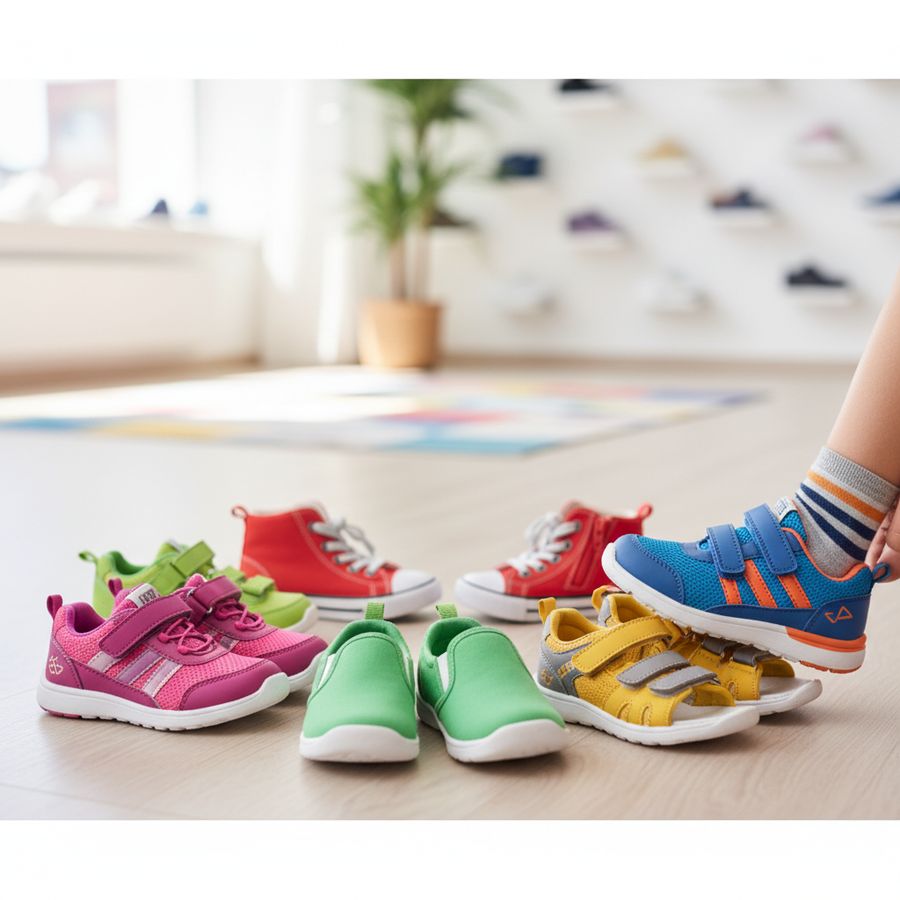
Recognizing the signs of a poor shoe fit is essential to prevent aggravating children’s foot problems. Ill-fitting shoes can cause discomfort, pain, and even long-term damage if ignored.
Parents should watch for these common signs:
Blisters, calluses, or redness on the feet or toes.
Frequent tripping or difficulty walking due to improper support or shoe size.
Marks or indentations on the skin after removing shoes, indicating tightness.
Worn-out soles unevenly, suggesting poor foot positioning inside the shoe.
Complaints of foot pain or discomfort, especially after wearing shoes for a short time.
Sometimes children may not vocalize discomfort, so parents should regularly inspect their child’s feet and shoes. Shoes that are too small restrict growth and movement, while overly large shoes may cause instability and increase the risk of falls.
“A proper shoe fit is fundamental to maintaining healthy feet in kids and preventing common foot ailments.”
Regularly replacing shoes as children grow and monitoring for any of these signs help maintain foot comfort and function.
Preventative Foot Care Tips
Preventing children’s foot problems involves a combination of good footwear choices and proper foot care habits. Parents can take proactive steps to ensure their children’s feet remain healthy and strong.
Key preventative tips include:
Encourage children to go barefoot safely at home or on soft surfaces to strengthen foot muscles and enhance natural movement.
Maintain good hygiene by washing and drying feet thoroughly to prevent infections.
Trim toenails carefully to avoid ingrown toenails and discomfort.
Choose breathable socks made of natural fibers to keep feet dry and comfortable.
Inspect feet regularly for any abnormalities, redness, or signs of irritation.
Ensure children wear supportive kids shoes appropriate for their activity level and foot shape.
Educating children about the importance of foot care and proper shoe fit fosters lifelong habits that protect their foot health.
“Preventative foot care combined with supportive footwear is the best defense against children’s foot problems.”
By incorporating these simple practices, parents can help their children enjoy pain-free, healthy steps every day.
Conclusion
Children’s foot problems are common but largely preventable with the right knowledge and care. Ensuring foot health in kids starts with understanding typical issues and recognizing how footwear impacts growing feet. Proper shoes that offer support, flexibility, and a proper shoe fit are essential in promoting healthy development and preventing discomfort or deformities.
Parents should prioritize selecting supportive kids shoes, monitor for signs of poor fit, and practice preventative foot care to safeguard their child’s mobility and confidence. Remember, healthy feet lay the foundation for an active, happy childhood filled with exploration and fun.
Investing time and care into your children’s foot health today will help them walk comfortably and confidently for years to come.